
The EU Right to Repair — What It Means for Latvian Consumers
Directive (EU) 2024/1799 on repair of goods: obligation to repair, European Repair Information Form, guarantee extension and the Latvia timeline.

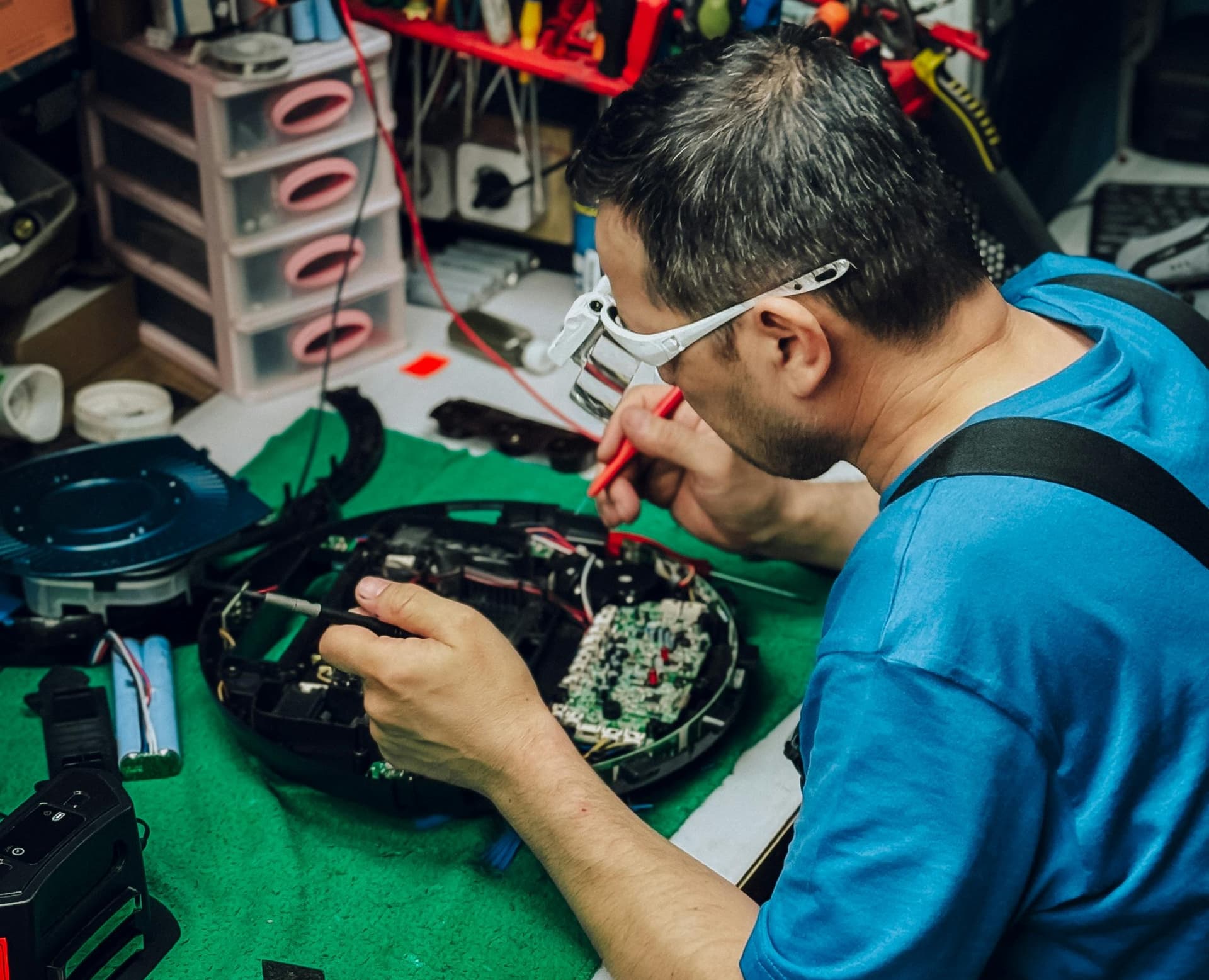
Andrea Piacquadio / Pexels
Contents
The European Union adopted Directive (EU) 2024/1799 on common rules promoting the repair of goods in 2024. It is often called the "right to repair" directive. For Latvian consumers it matters because it should make repair a more realistic option for covered product groups, especially when a product is outside the normal legal guarantee.
As of 29 May 2026, Latvia still has to apply the Directive by the EU deadline of 31 July 2026. The practical details will depend on Latvian transposition and on the product-specific EU rules that define which goods, spare parts and repair periods are covered.
What the Directive Does
Manufacturer Repair Obligation
For product groups covered by EU repairability requirements and listed in the Directive's annex, manufacturers must offer repair after the seller's legal guarantee has ended. The list is not every electronic product. It is tied to EU product rules, with examples such as washing machines, dishwashers, refrigerators, vacuum cleaners, displays, smartphones and tablets.
For a SATER customer, the important point is simple: when a covered product is repairable under those rules, the manufacturer cannot treat replacement as the only path by default.
Repair Information and Conditions
Manufacturers must make information about their repair services available. For covered goods, they must not use contractual terms, hardware or software techniques that prevent repair unless there is an objective and legitimate reason, such as safety.
The Directive also links repair to reasonable access to spare parts, tools and repair information where the relevant product rules require it. The exact spare-part list and availability period depend on the product category.
European Repair Information Form
Repairers may use a standard European Repair Information Form. It is designed to make repair offers easier to compare by showing details such as the fault, price, expected repair time and whether a temporary replacement item is offered.
This does not force every repairer to use the form for every job. It gives consumers a standard format when it is used.
European Online Repair Platform
The EU will also create an online platform to help consumers find repairers, sellers of refurbished goods and buyers of defective goods for refurbishment. According to the European Commission, the platform is expected by 31 July 2027.
One Extra Year When You Choose Repair During the Legal Guarantee
During the seller's legal guarantee period, EU consumer rules will give consumers an extra year of legal guarantee when they choose repair instead of replacement. This is meant to make repair the more attractive first option when it is appropriate.
What the Directive Does Not Do
The Directive is important, but it is not unlimited:
- It does not create free repairs outside warranty.
- It does not cover every electronic device automatically.
- It does not guarantee that every old model will suddenly have parts available.
- It does not itself create a universal repairability index on Latvian shop price tags.
- It does not mean independent repairers can promise repair before inspecting the device and checking parts availability.
Repairability labels and indexes exist in some national or product-specific systems, but Directive 2024/1799 should not be described as a universal EU price-tag repairability-index rule by itself.
What This Means in Latvia
Latvia must transpose and apply the Directive by 31 July 2026. After that, the largest practical changes should be:
- clearer manufacturer repair duties for covered product groups;
- better access to repair conditions and spare-part information;
- less room for unjustified software or hardware blocks against repair;
- easier comparison of repair offers when the European form is used;
- a stronger reason for consumers to choose repair during the legal guarantee.
For already discontinued devices, the result will depend on the product category and on the applicable EU product rules. A three-year-old TV, a robot vacuum or a smartphone may be treated differently depending on which rules cover that model and which parts are required to remain available.
What This Means for SATER
SATER already repairs televisions, robot vacuums, microwaves, audio equipment, power tools and batteries at component level where repair is technically and economically sensible.
The Directive should help independent repair when it improves access to official parts, repair instructions and diagnostic information. It will not remove the need for diagnostics. The repair still depends on the exact model, the fault, part availability and whether the repair makes economic sense compared with replacement.
Official Sources
Repair path
Where to go next if this fault is repairable
Related SATER service, brand and fault pages help you understand the repair route and get the device into the right diagnostic flow.
Frequently Asked Questions
Need professional repair?
SATER service centre — Silmaču iela 6, Riga
SATER service — home electronics & appliance repair in Riga